By Michelle Lee
Awe-inspiring. Versatile. Resilient.
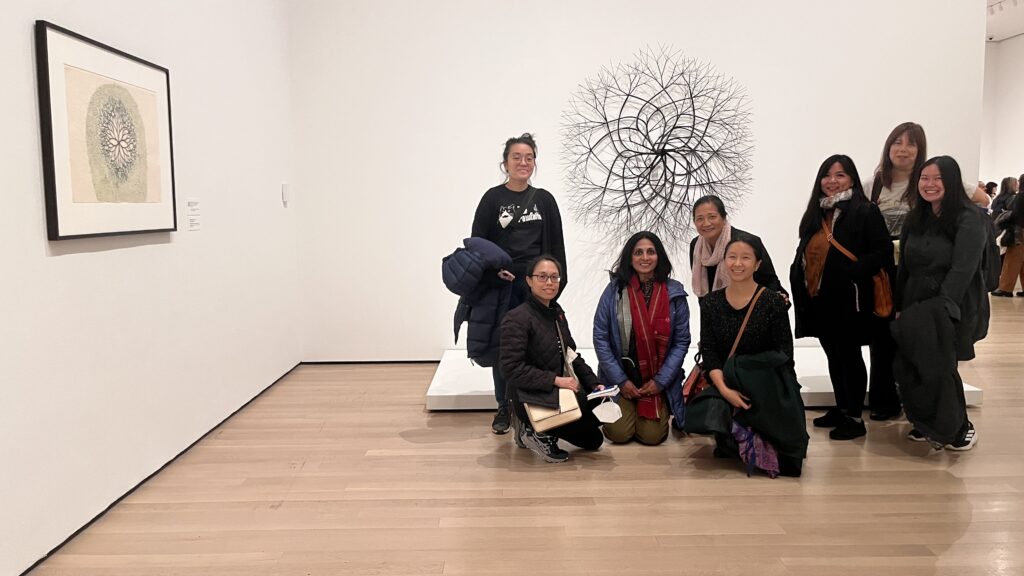
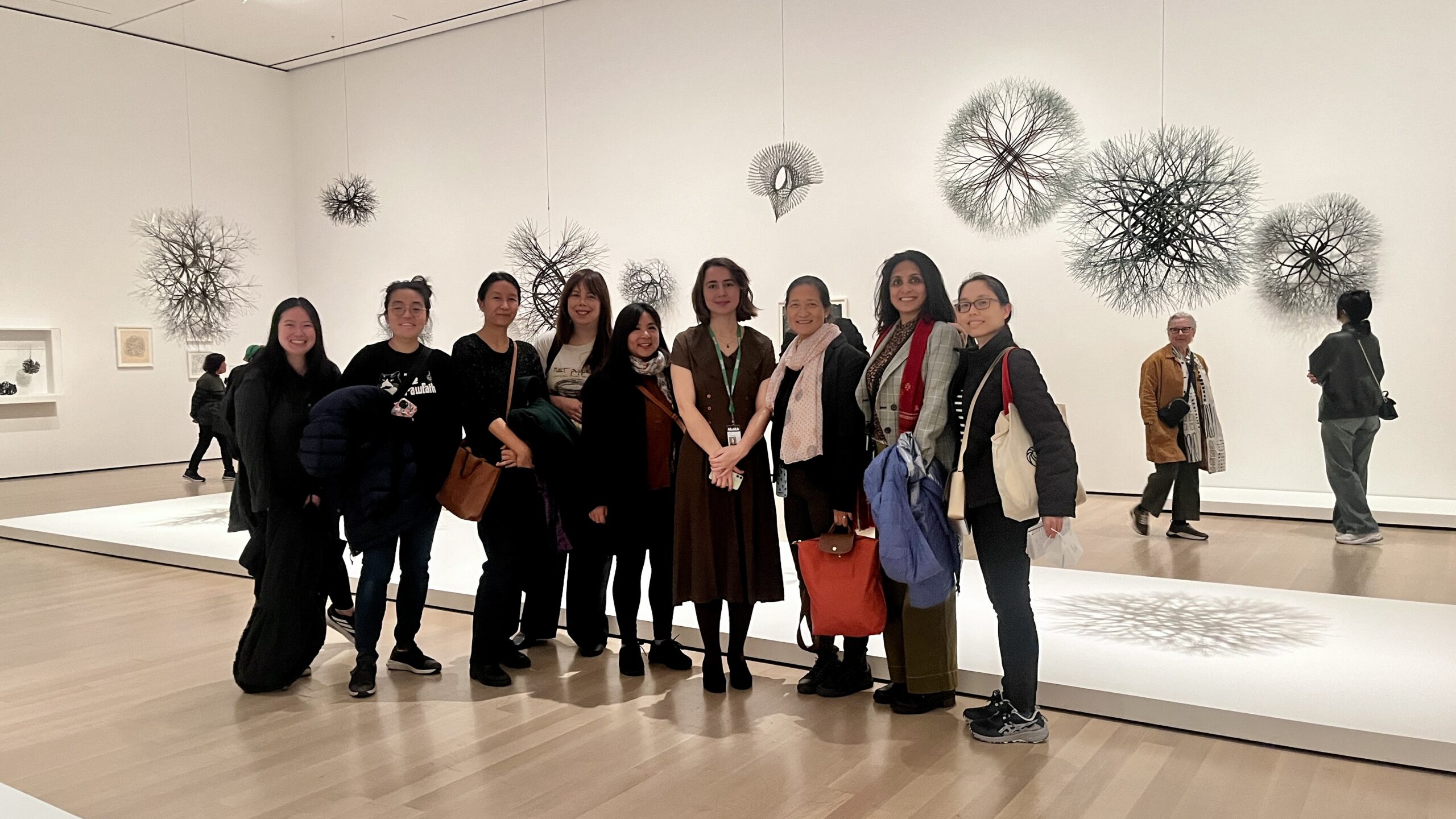
These are some of the words that came to my mind last November while looking at sculptures and prints on display during an APALA Northeast chapter tour of the Ruth Asawa: A Retrospective exhibit at The Museum of Modern Art (MOMA).
The exhibition covered six decades of Asawa’s artistic and activist career and it was created in partnership with the San Francisco Museum of Modern Art (SFMOMA), which also hosted the exhibit from April to September 2025. The show is currently on display at the Guggenheim Museum Bilbao in Spain until September, then travels to the Fondation Beyeler in Switzerland from October to January 2027.
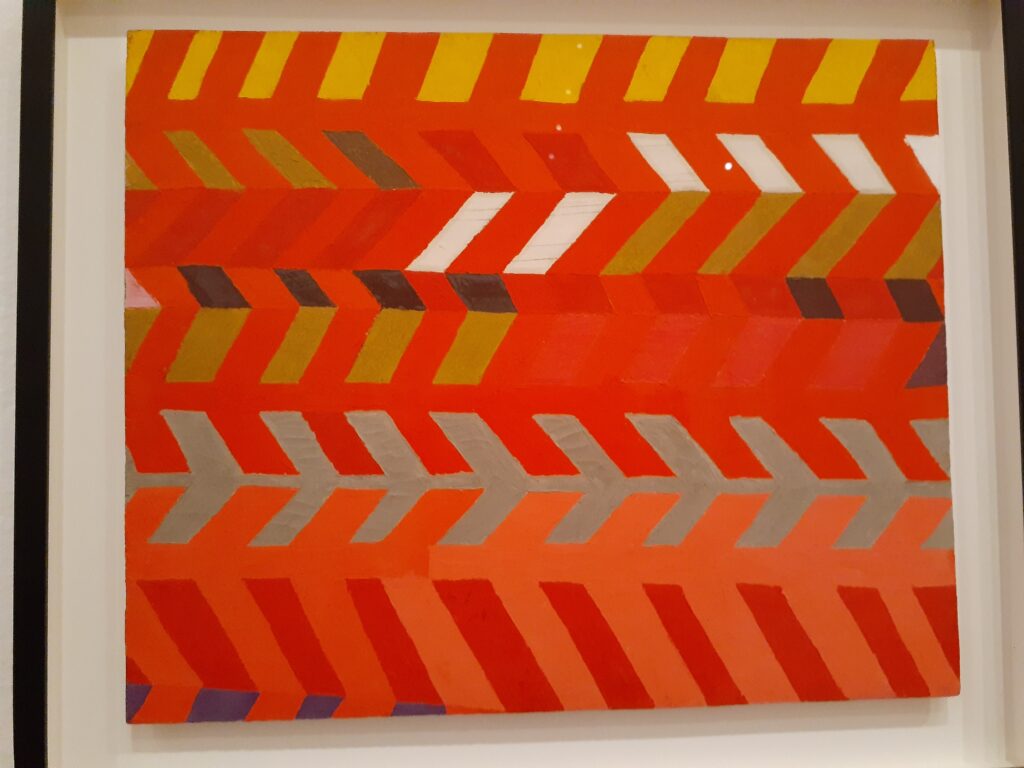
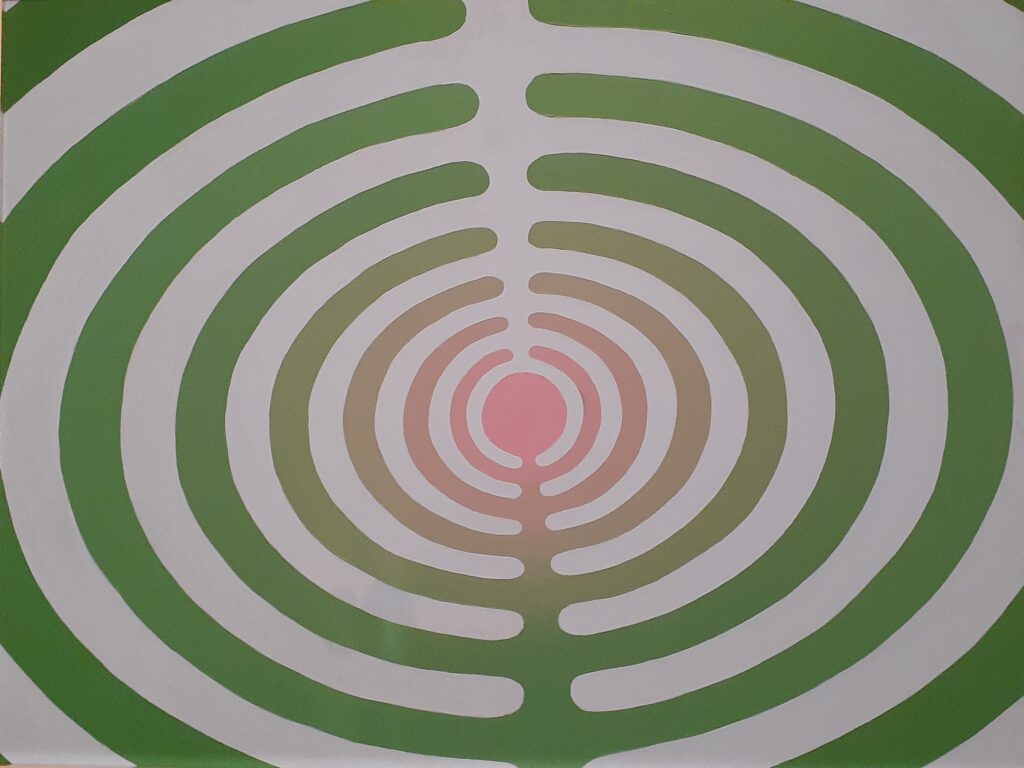
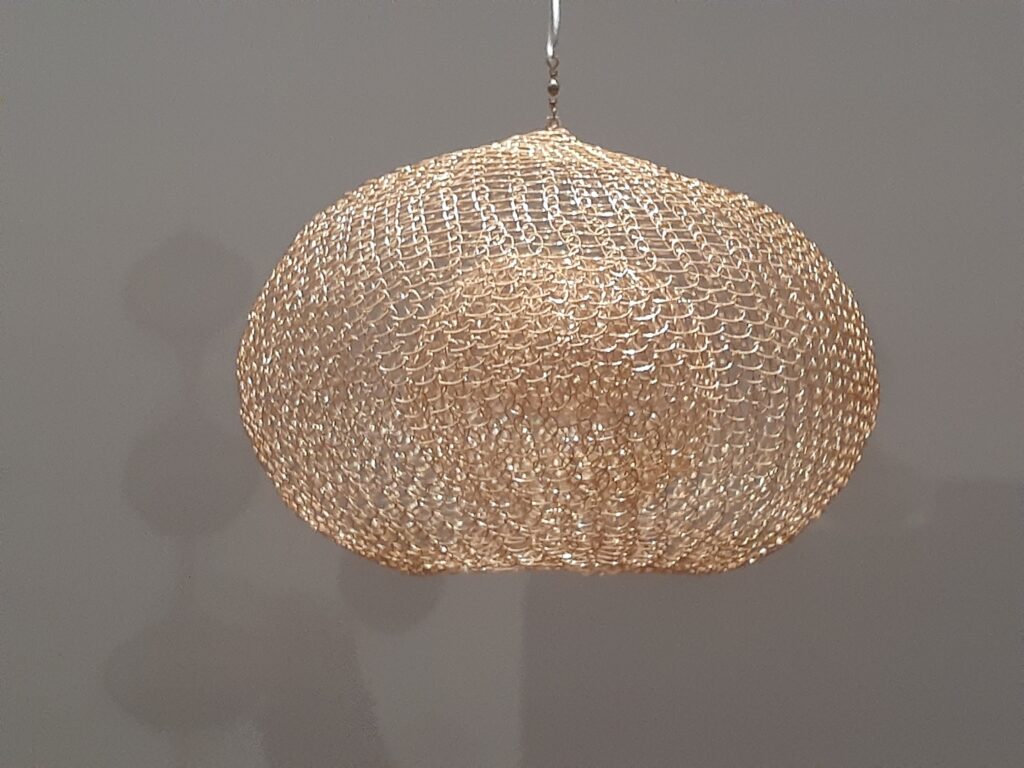
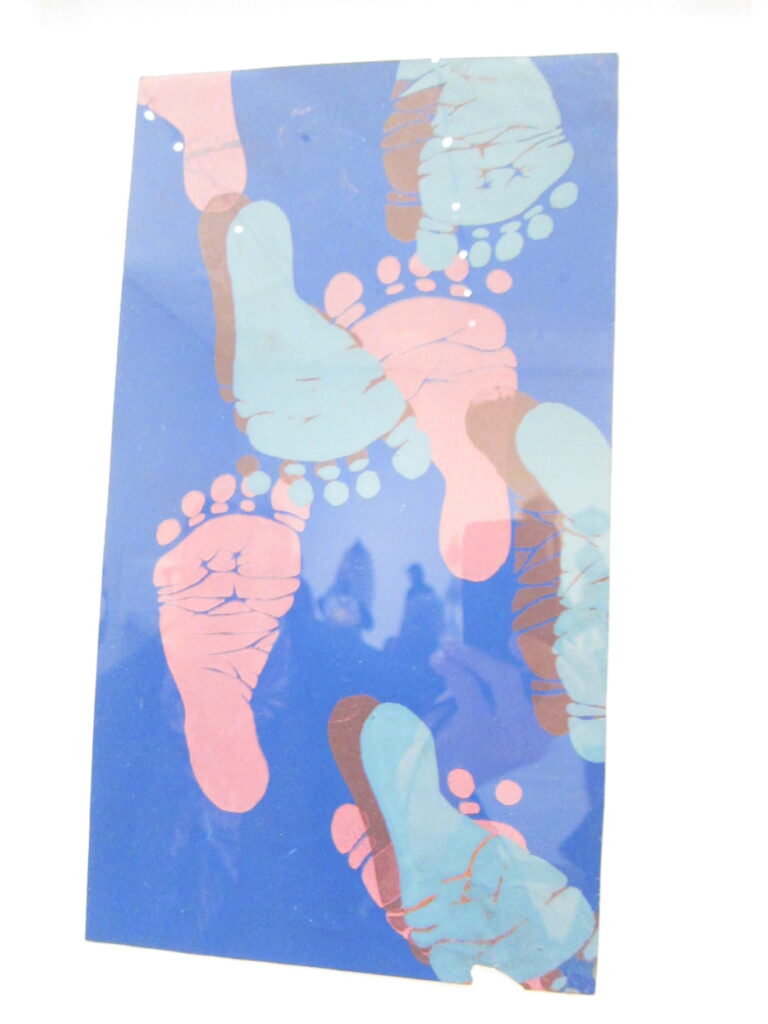
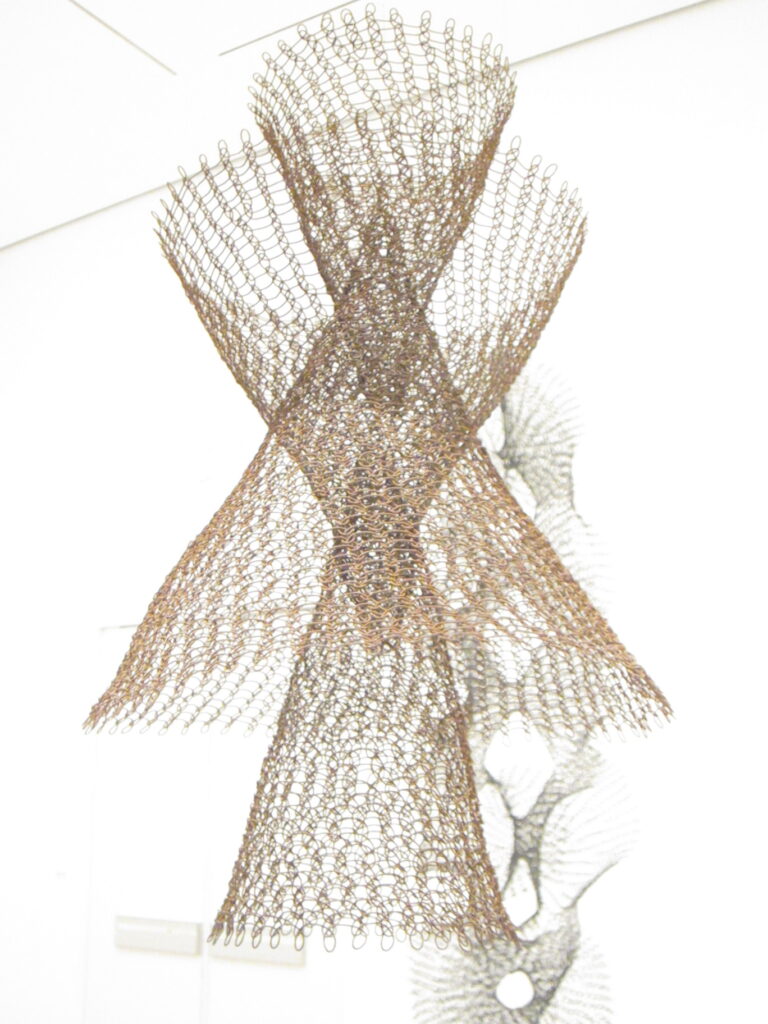
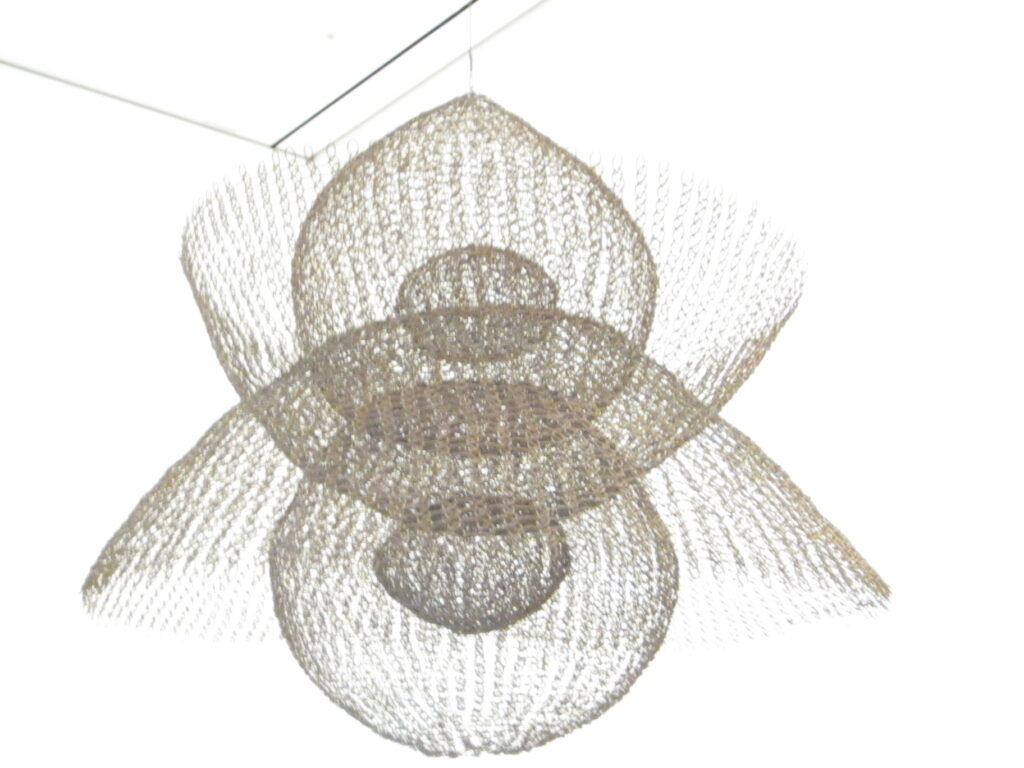
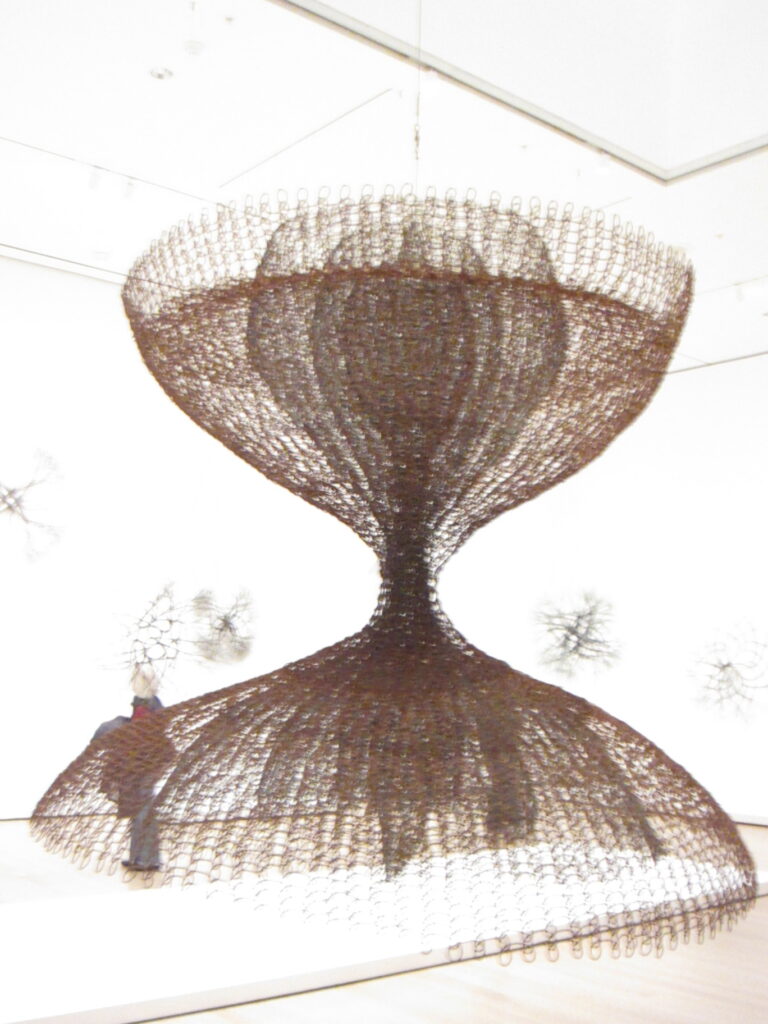
About 300 different objects were on display, including Asawa’s renowned wire sculptures in a variety of sizes and shapes along with many of her drawings, prints, paintings, paper fold sculptures, lithographs, sketchbooks, prototypes and photographs of her public artworks.
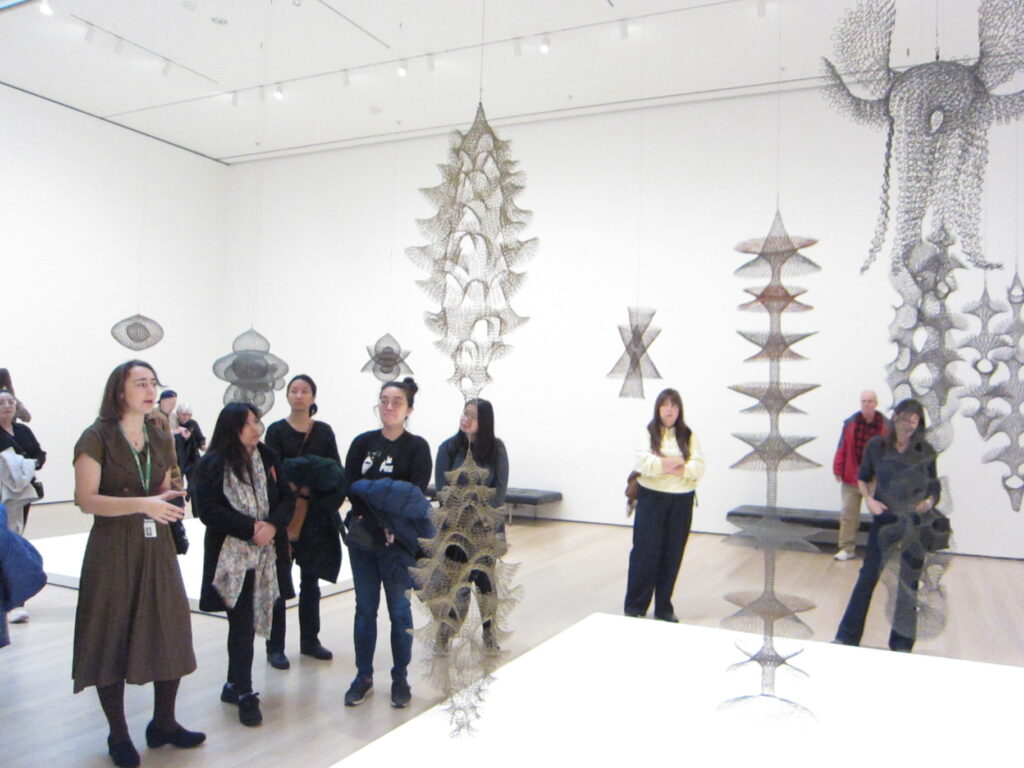
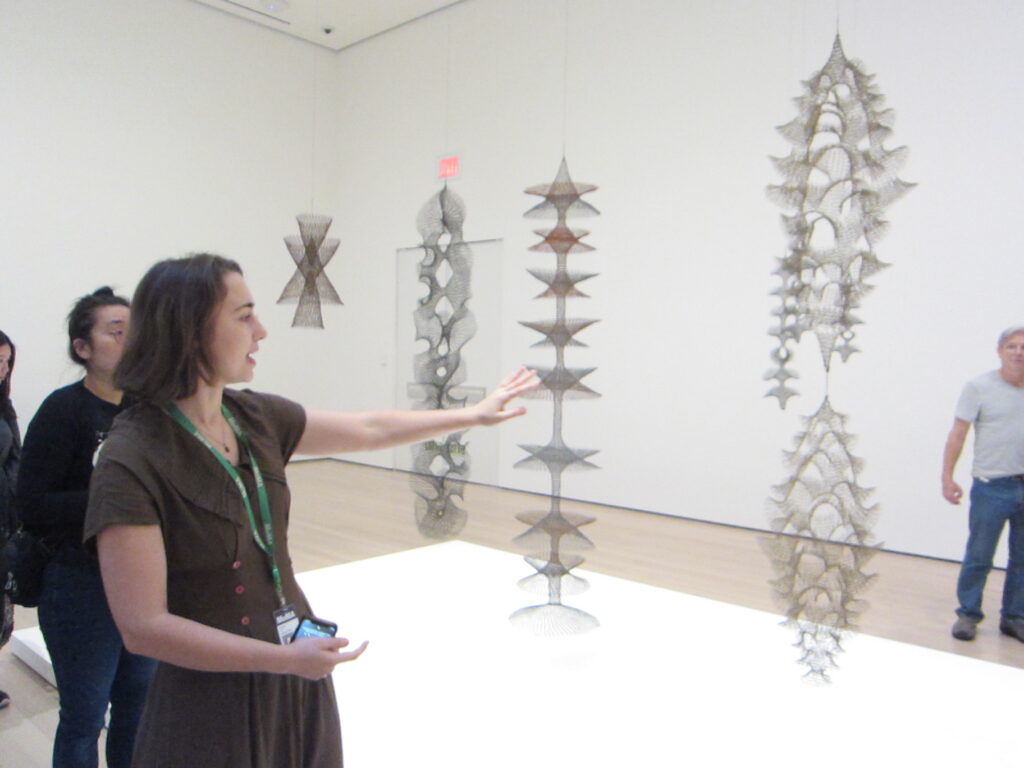
Our guide, Dominika Tylcz, the MOMA Department of Painting and Sculpture curatorial assistant, wove in many facts about Asawa’s life and her unique artistic style while walking through different sections of the exhibit.
Tylcz talked about Asawa’s childhood growing up on a farm in Los Angeles County, California, the daughter of Japanese immigrants. Her family was separated and sent to different internment camps during World War II.
Despite the emotional and financial hardships the Asawas faced during their incarceration, Tylcz said Ruth was still able to practice art, first with drawing lessons from Disney animators Tom Okamoto, Chris Ishii and James Tanaka at the Santa Anita Racetrack, then later under the guidance of other teachers at Rohwer War Relocation Center in Arkansas.
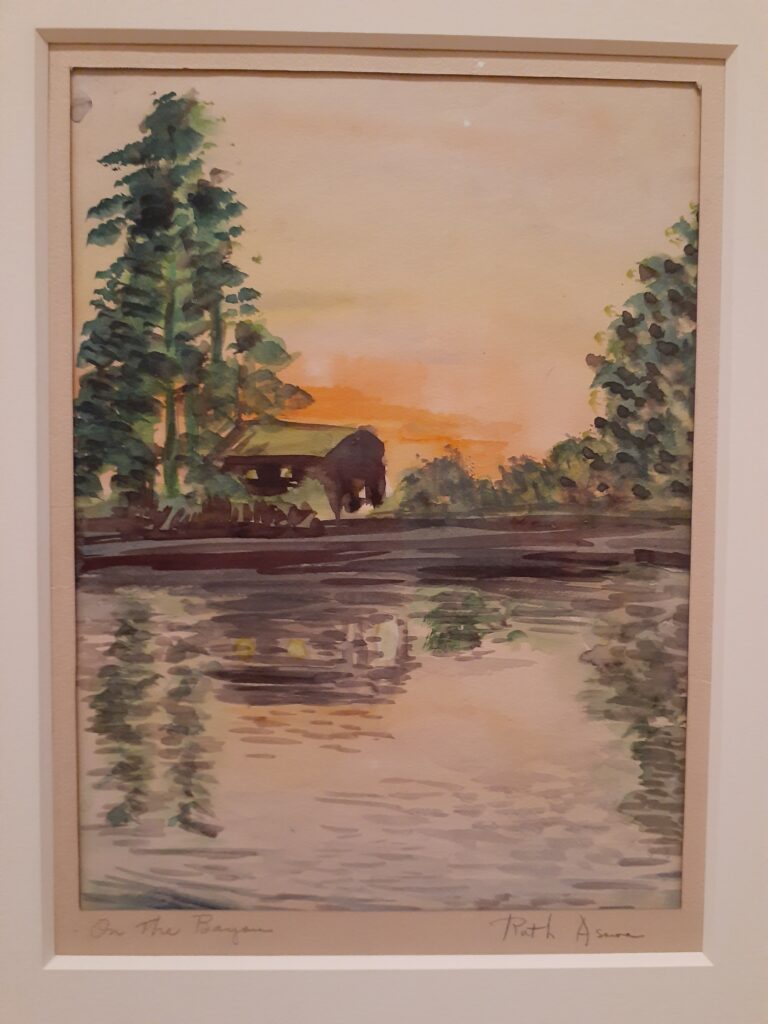
The first piece in the exhibit was a landscape watercolor Asawa made as a teenager during a sketching trip in Arkansas.
Other early artworks on display included prints Asawa made of ordinary objects like dogwood leaves and laundry stamps while attending the experimental art school Black Mountain College in North Carolina, where she studied under Bauhaus painter Josef Albers and architect/designer/inventor Buckminster Fuller, and dancer/choreographer Merce Cunningham, and met her husband, architect and fellow student Albert Lanier.
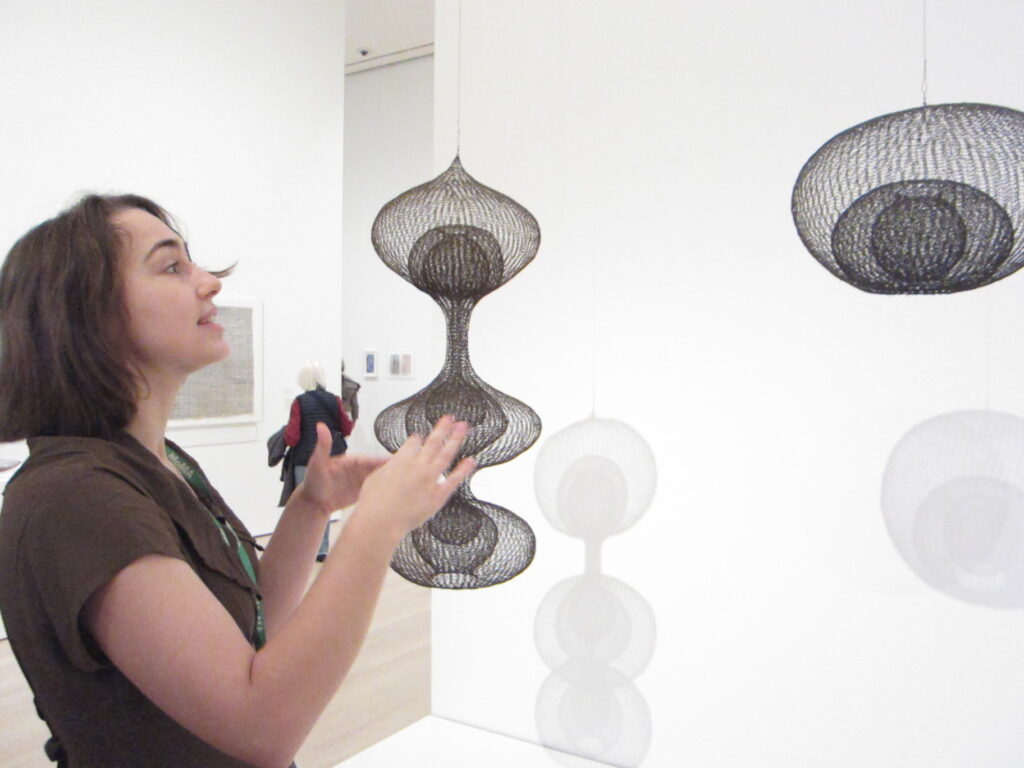
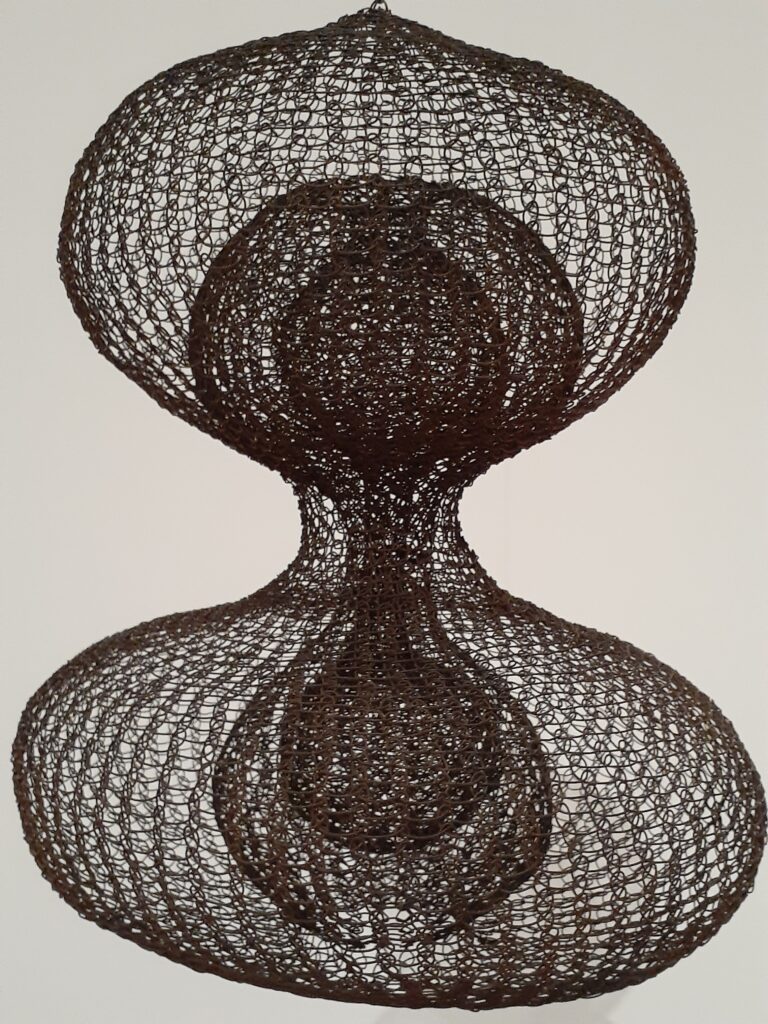
One common theme throughout Asawa’s artwork was the interplay between defining negative and positive space, Tylcz said as she stopped in front of a display case containing one of Asawa’s first wire sculptures—a large basket.
Asawa came across what would be one of her signature art motifs in 1947 during a summer trip to Toluca, Mexico, when she saw egg baskets at a local market. Asawa asked a craftsperson to teach her the looped wire weaving technique and she became dedicated to the medium and making pieces using tight handmade loops, Tylcz said.
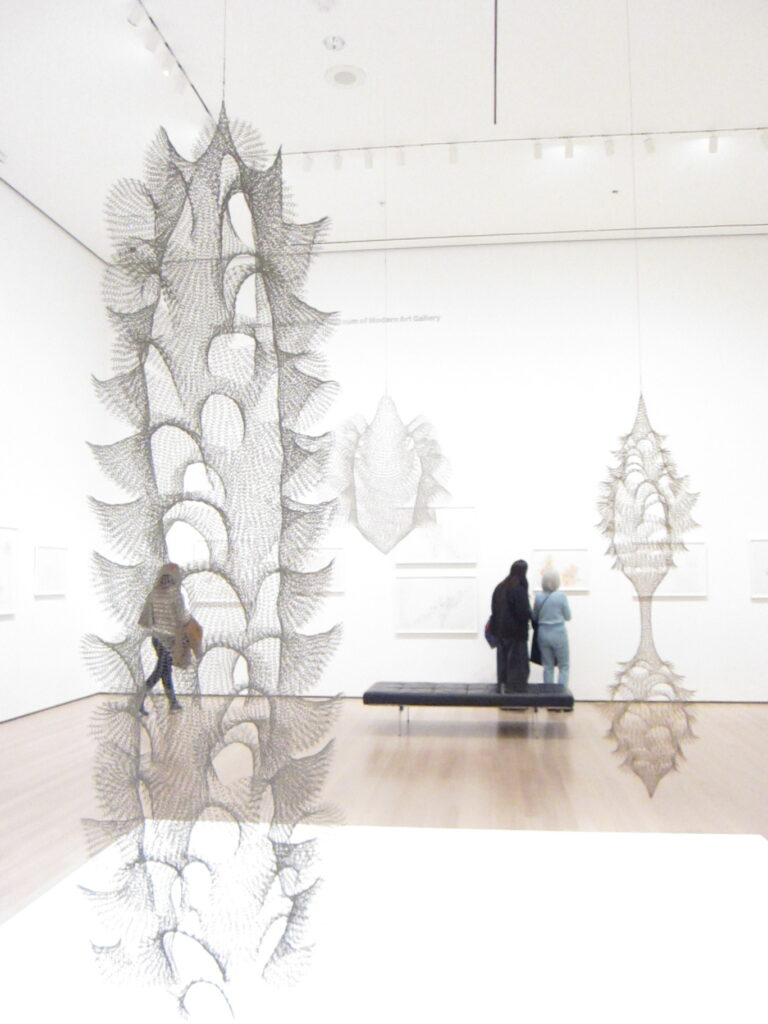
This early basket work would eventually lead to more freeform sculptures in different experimental shapes and sizes and sculptures within sculptures.
“They are inside and outside at the same time. It is hard to say where is the beginning and the end,” Tylcz said. “It’s kind of a brain puzzle of how it was made. And that’s kind of the idea.”
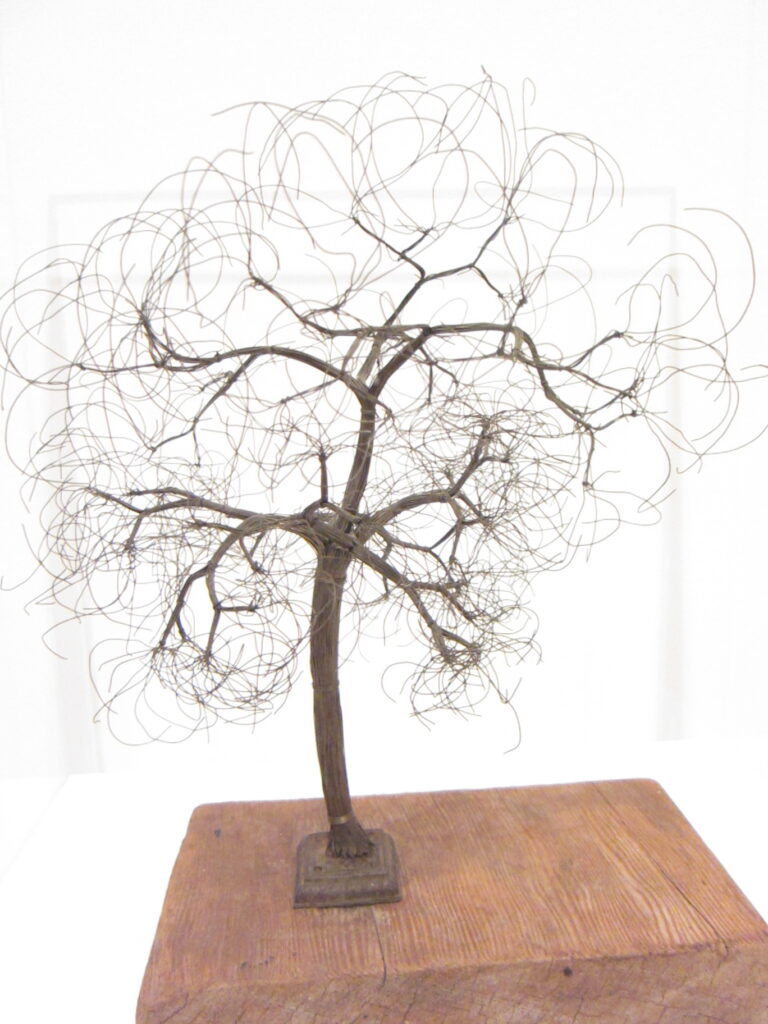
Some wire sculptures in the exhibit were small enough to fit in the palm of the hand while others looked like unusual flowers and trees. Still others were so large they hung down from the ceilings like abstract and geometric chandeliers.
Museum visitors also got to see a more intimate side of Asawa’s work with drawings and prints of her children and relatives, photographs of her home studio which had artwork all over the place, and even masks she made to honor her family and friends.
Another section of the exhibit showcased Asawa’s arts education advocacy in San Francisco and her work teaching art-making workshops to schoolchildren (memorably with baker’s clay, which were eventually incorporated into public sculptures).
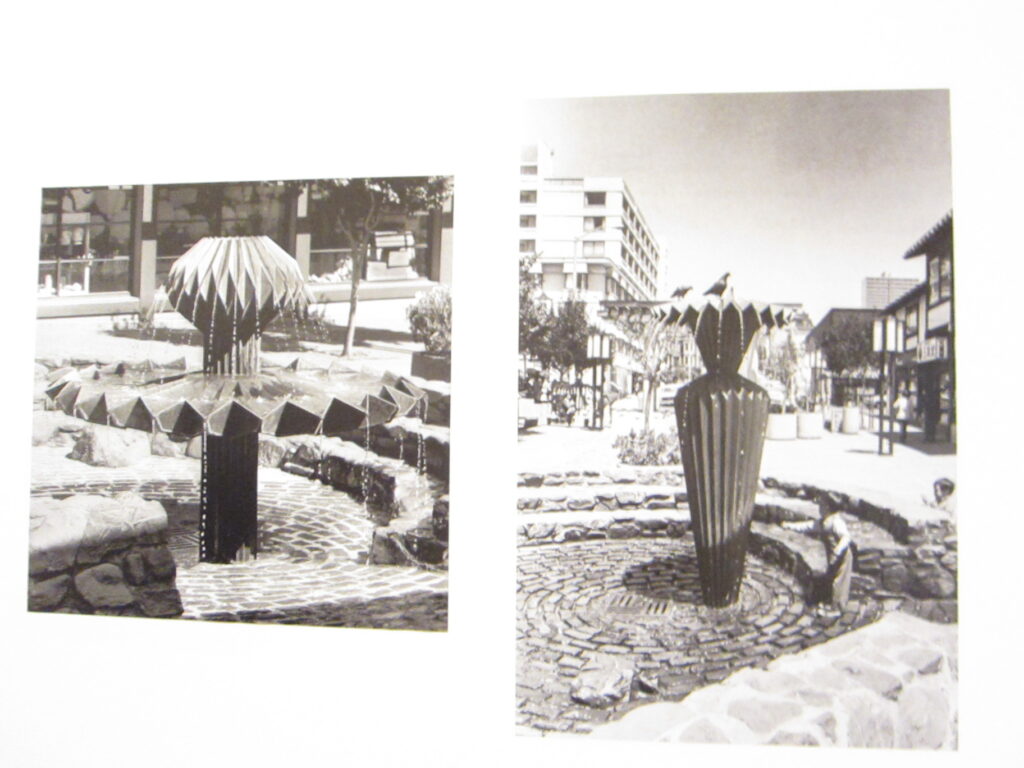
There were also photos and designs for some of Asawa’s large public art commissions, including her large feminist mermaid-turtle water fountain Andrea (1968) in Ghiradelli Square, San Francisco; Origami Fountains (1975-76) in Japantown, San Francisco; and the Japanese American Internment Memorial (1990-1994) in San Jose.
Beyond Asawa’s beautiful creations, what inspired me the most while walking around the exhibition was her ability to make such unique works from everyday objects, her passion to create a strong sense of community and her drive in empowering children and other people so they, too, can make their own uplifting artistic contributions.
Related Links
Ruth Asawa: A Retrospective. [Exhibition]. (2025-2026). The Museum of Modern Art, New York, NY, United States. www.moma.org/calendar/exhibitions/5768
Ruth Asawa: A Retrospective. [Exhibition]. (2025). The San Francisco Museum of Modern Art, San Francisco, CA, United States. www.sfmoma.org/exhibition/ruth-asawa-retrospective
Ruth Asawa: A Retrospective. [Exhibition]. (2026). The Guggenheim Museum Bilbao, Bilbao, Spain. www.guggenheim-bilbao.eus/en/exhibitions/ruth-asawa-retrospective
Ruth Asawa Lanier Inc. (n.d.) ruthasawa.com
The Museum of Modern Art. (n.d.) Ruth Asawa. www.moma.org/artists/21-ruth-asawa
Suggested Youth and Adult Book List
Bishop, J. & Manes, C. (Ed.) (2025). Ruth Asawa: Retrospective. Yale University Press.
Bugard, T.A. & Cornell, D. (Ed.) (2020). The Sculpture of Ruth Asawa: Contours in the Air, Second Edition. University of California Press.
Chase, M. (2025). Everything She Touched: The Life of Ruth Asawa. Chronicle Books.
D’Aquino, A. (2019). A Life Made by Hand: The Story of Ruth Asawa. (A. D’Aquino, Illus.). Princeton Architectural Press.
McAlister, C. (2025). A Line Can Go Anywhere: The Brilliant, Resilient Life of Artist Ruth Asawa. (J. Green, Illus). Roaring Brook Press.
Nakahira, S. (2024). Ruth Asawa: An Artist Takes Shape. (S. Nakahira, Illus.). Getty Publications.